
How to Justify a Workplace Renovation to Leadership
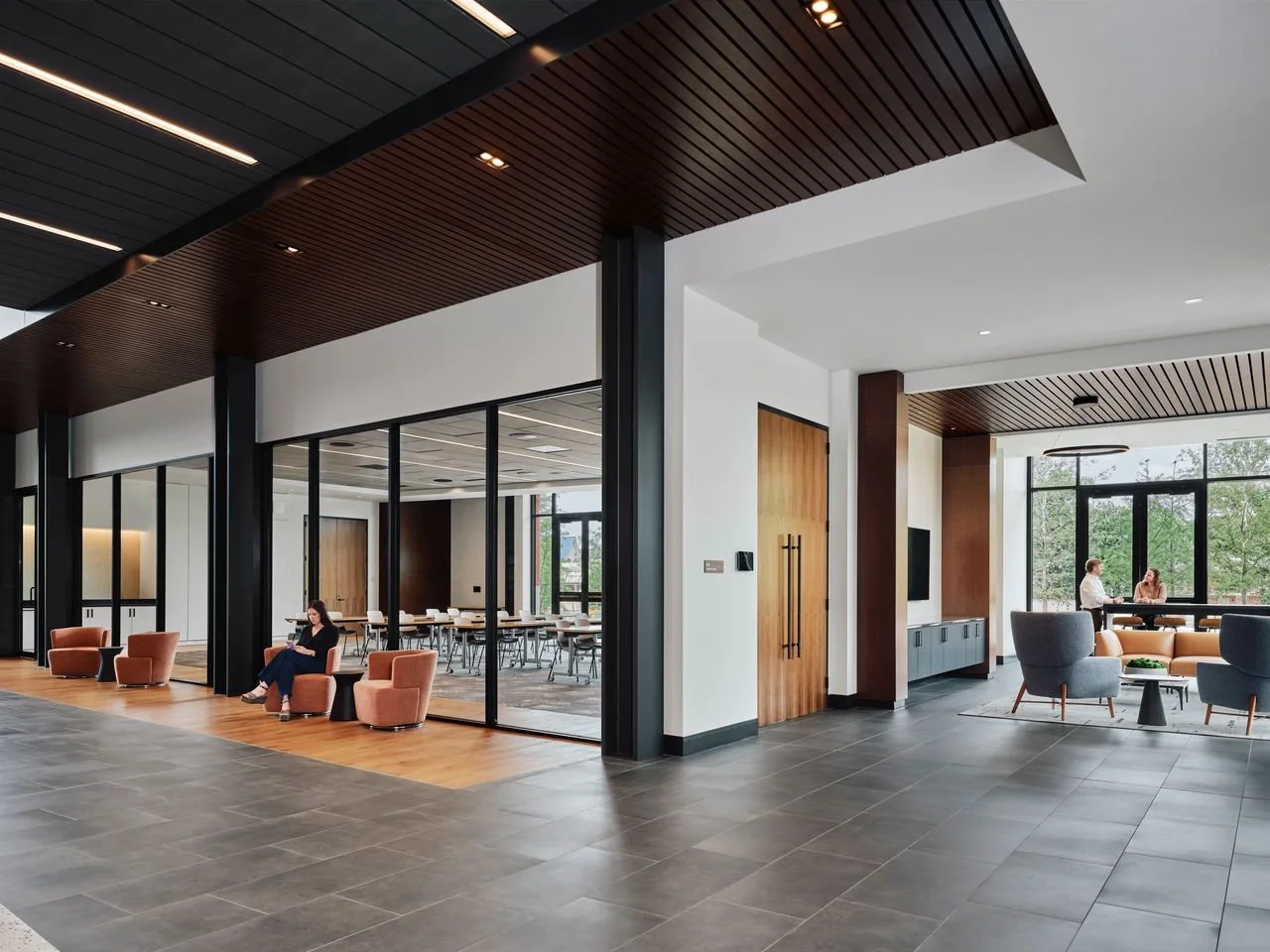
A newly completed HQ furnished and installed by Workplace Solutions.
Facility managers have a lot on their plates right now, and the workplace itself is one of the biggest challenges.
The shift from remote and hybrid work back into physical spaces has changed expectations. Employees and students have gotten used to working in environments they can control. They can choose their setup, their noise level, and how they focus. Coming back into a space that does not offer that same flexibility can feel frustrating.
That frustration shows up in real ways. Lower engagement. More complaints. Less effective collaboration.
At the same time, leadership often sees a renovation as a large expense. If the space worked before, the assumption is that it should still work now. Budgets are tight and there are always competing priorities.
But the reality is simple. Work has changed, and when the workplace does not keep up, performance is affected.
Research from Steelcase found that only about 13% of employees are highly engaged and satisfied with their workplace, highlighting a significant opportunity for organizations to improve performance through better environments. The physical environment is not just a backdrop. It directly impacts how people perform.
So how do you make the case for change?
Start with the Problem, Not the Furniture
One of the biggest mistakes is focusing too quickly on what to buy instead of what needs to be solved.
Leadership does not approve projects because a space looks outdated. They approve projects because something is not working.
Start by identifying clear issues:
Spaces that do not support hybrid meetings
Lack of privacy for focused work
Underutilized square footage
Ongoing complaints about noise, comfort, or functionality
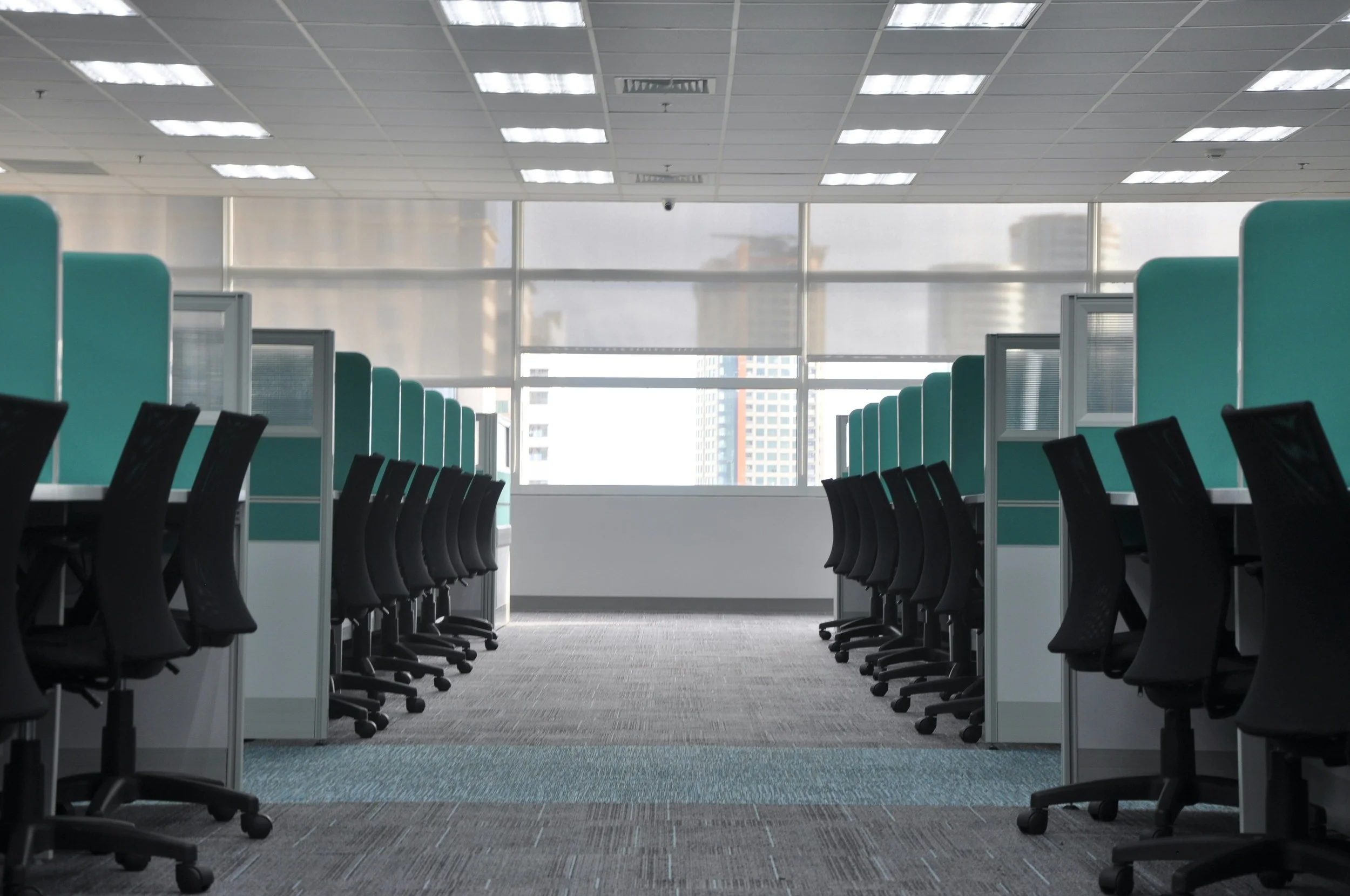
Traditional cubicle layouts often limit flexibility and fail to support how people work today.
In fact, research from Leesman and insights from Harvard Business Review highlight that noise and lack of privacy are among the most common workplace complaints, with a direct impact on focus and productivity.
When you define the problem in operational terms, the conversation becomes more productive.
Tie the Renovation to Business Outcomes
Leadership is focused on impact, not aesthetics.
A strong justification connects workplace improvements to outcomes like:
Employee retention and satisfaction
Productivity and focus
Better use of existing space
Long-term cost savings

The workplace plays a direct role in how people engage, collaborate, and perform day to day.
According to Gallup, highly engaged teams see 23% higher profitability and up to 43% lower turnover. If your workplace is contributing to disengagement, that has a measurable cost.
When you position a renovation as a way to improve performance, not just appearance, it becomes easier to prioritize.
Use Data to Support the Case
The most effective proposals are backed by real insights.
This can include:
Employee or student surveys
Space utilization data
Feedback on pain points
Observations of how spaces are actually used
We recently applied this approach in a university library project in New Orleans. Before making any changes, we surveyed students to understand what would bring them back into the space and help them focus.
We combined that feedback with research on learning environments to guide the design. The result was a more functional and engaging space that aligned with how students actually work today.
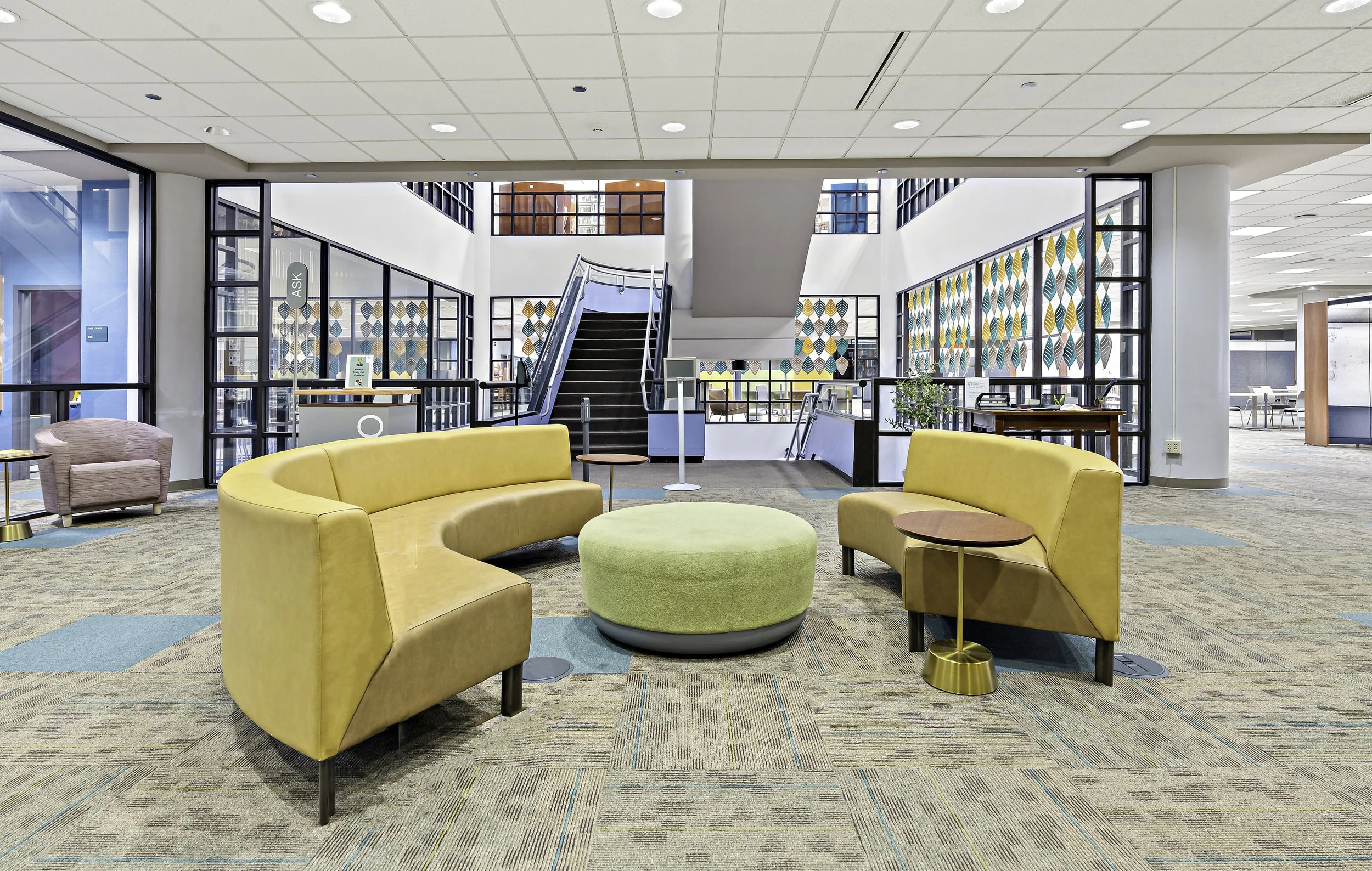
University library furnished and installed by Workplace Solutions.
This aligns with broader findings from Steelcase, which show that employees who have control over where and how they work report higher levels of engagement and wellbeing.
Data does not have to be complicated. It just needs to reflect real user experience.
Show the Cost of Doing Nothing
It is not just about what a renovation costs. It is about what inaction costs over time.
Without updates, organizations often deal with:
Continued inefficiencies
Frustrated employees or students
Spaces that do not support current work styles
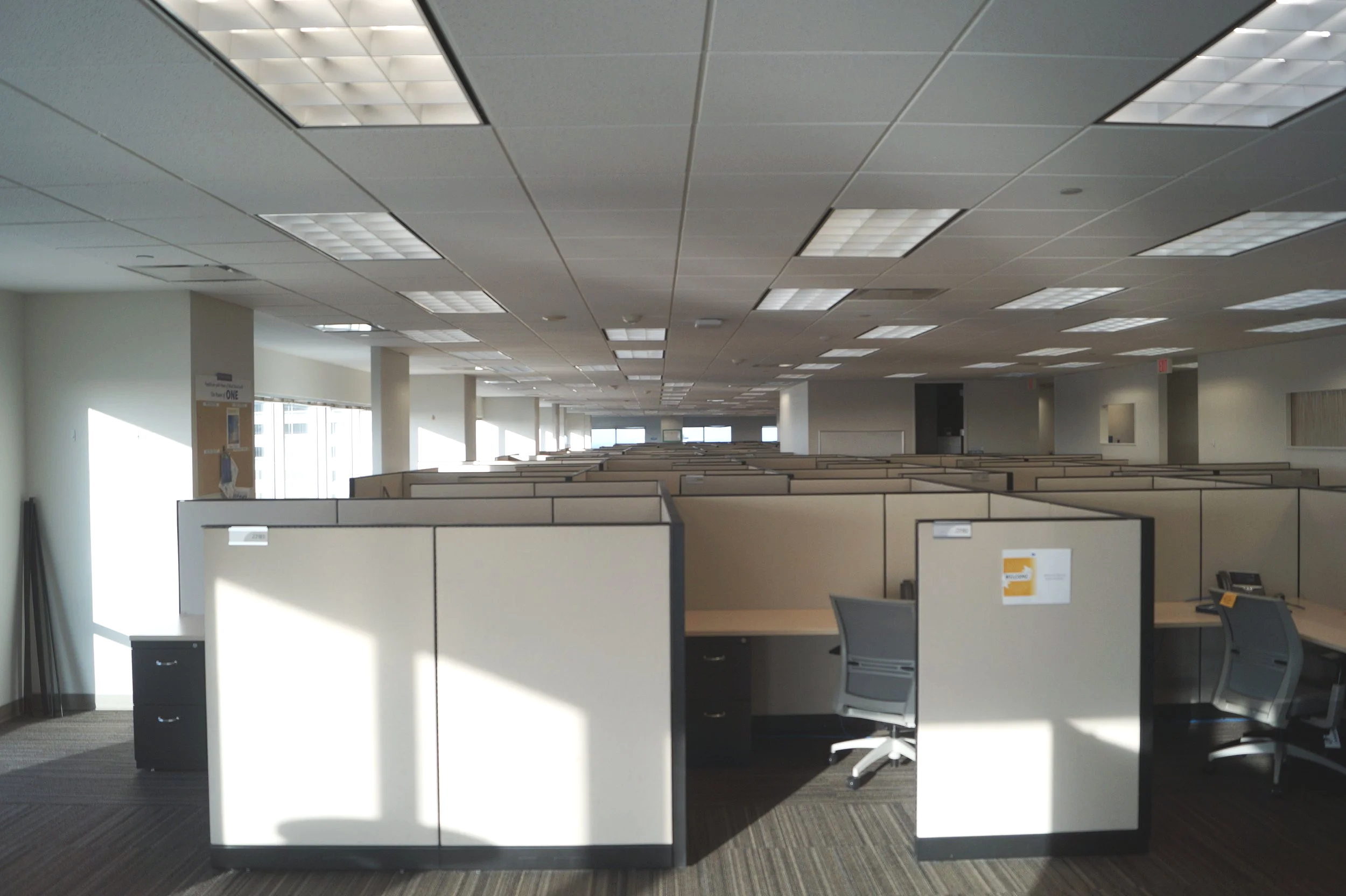
Pre-install: an existing workspace prior to renovation by Workplace Solutions, reflecting the limitations of outdated office layouts.
Real estate is often the one of the largest costs for organizations after payroll, yet many workplaces remain underutilized. Studies from JLL show that office utilization can average around 50-60%, well below target levels, leaving a significant portion of space unused.
If space is not being used effectively, you are already paying for inefficiency.
Position the Workplace as a Tool for Performance
The workplace is no longer just a place to sit and work. It directly impacts how people collaborate, focus, and stay engaged.
Research from Steelcase shows that environments offering a mix of spaces for focus, collaboration, and social connection lead to better outcomes across performance and satisfaction.
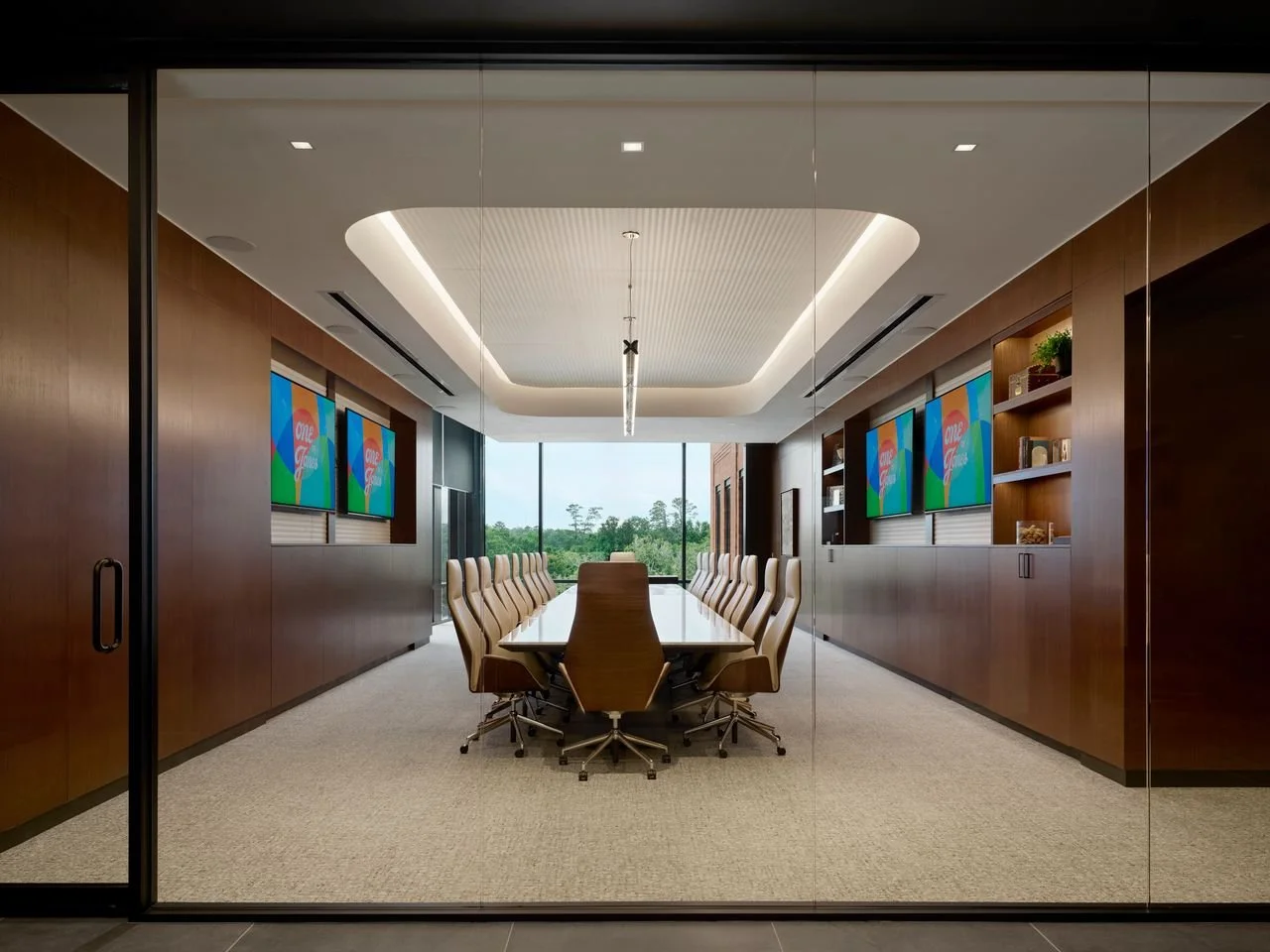
Conference room designed and installed by Workplace Solutions using integrated architectural solutions to support collaboration and hybrid meetings.
This is especially important in hybrid environments, where meetings often include both in-person and remote participants. Spaces that are not designed for this create friction in everyday work.
When leadership understands that the workplace supports business outcomes, the conversation shifts from cost to value.
Work with the Right Partner Early
Justifying a renovation is much easier when you have the right support.
At Workplace Solutions, we work with facility managers early in the process to:
Identify the root challenges within the space
Gather feedback from end users
Evaluate how the space is currently being used
Align solutions with budget and long-term goals

Workplace Solutions team members collaborating to develop tailored solutions for each client’s space.
We are a full-service commercial interiors and design firm. That means we are involved in planning, problem-solving, and implementation, not just furniture selection.
Our goal is to help you create a space that works better for the people using it every day.
Start the Conversation
If you are evaluating your space or considering a renovation, it starts with understanding what is working and what is not.
We can walk your space with you, talk through your challenges, and help you determine the next steps.
Visit our showroom or reach out through our contact form to schedule an introductory consultation.