Why Sustainable Design Leads to Better Project Outcomes
It’s not just better for the environment. It leads to stronger specifications, better-performing spaces, and more confident design decisions.
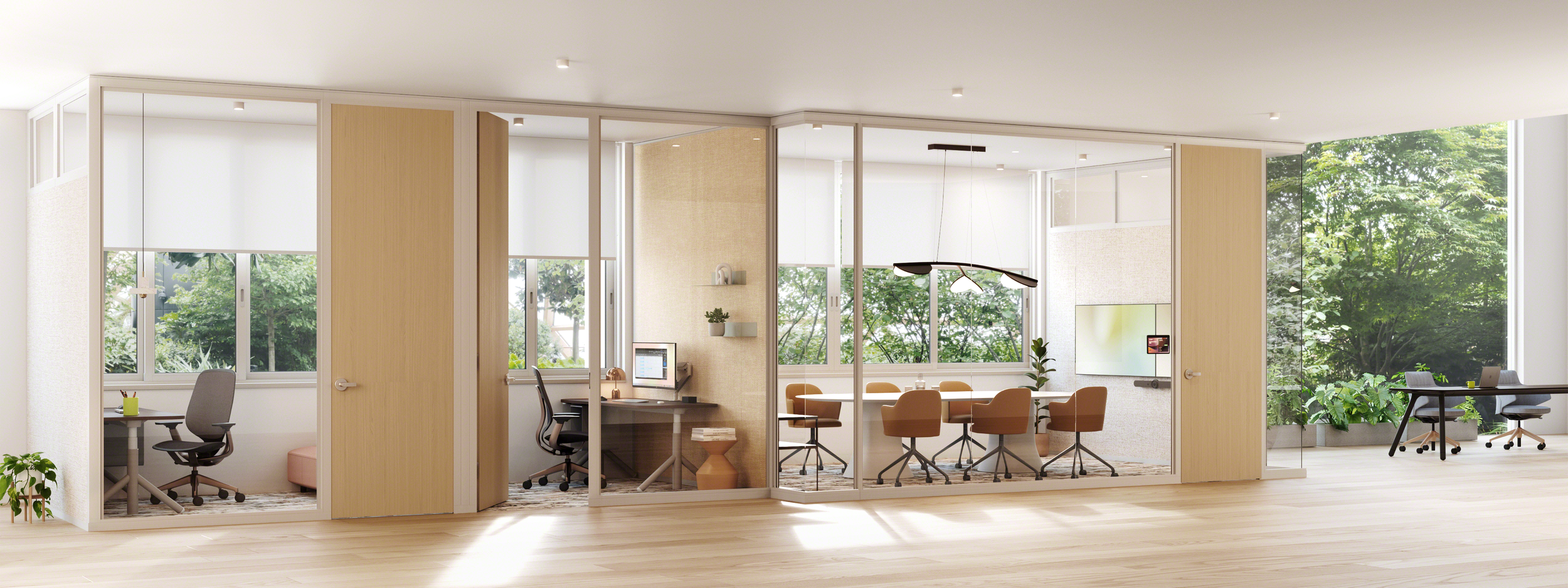
Sustainability is often framed as the “right thing to do.” In practice, it’s also a tool that helps designers and architects deliver better project outcomes.
Material selections, product lifespan, and long-term performance all shape how a space functions after install. When those decisions are made with sustainability in mind, they don’t just reduce environmental impact. They lead to more durable solutions, fewer issues over time, and stronger results for the end user.
At the same time, sustainability can be difficult to translate into actual specifications. There’s a lot of information, a lot of claims, and not always a clear path to applying it in a real project.
Turning Sustainability Into Something You Can Actually Specify
Sustainability only works if it can be applied to real projects.
As an Authorized Steelcase Dealer and the largest in Louisiana and Mississippi, we work closely with design teams to help translate sustainability into clear, usable specifications.
Steelcase invests heavily in material health, transparency, and lifecycle design. What matters on a project is how that information gets used.
We support design teams by:
Providing documentation for material health, emissions, and certifications
Helping evaluate products based on durability and long-term performance
Supporting specifications aligned with LEED, WELL, and other project goals
Translating sustainability data into information that can be clearly communicated to clients
This makes it easier to move from general sustainability goals to decisions that are specific, defensible, and aligned with project requirements.
Better Materials Make Better Projects
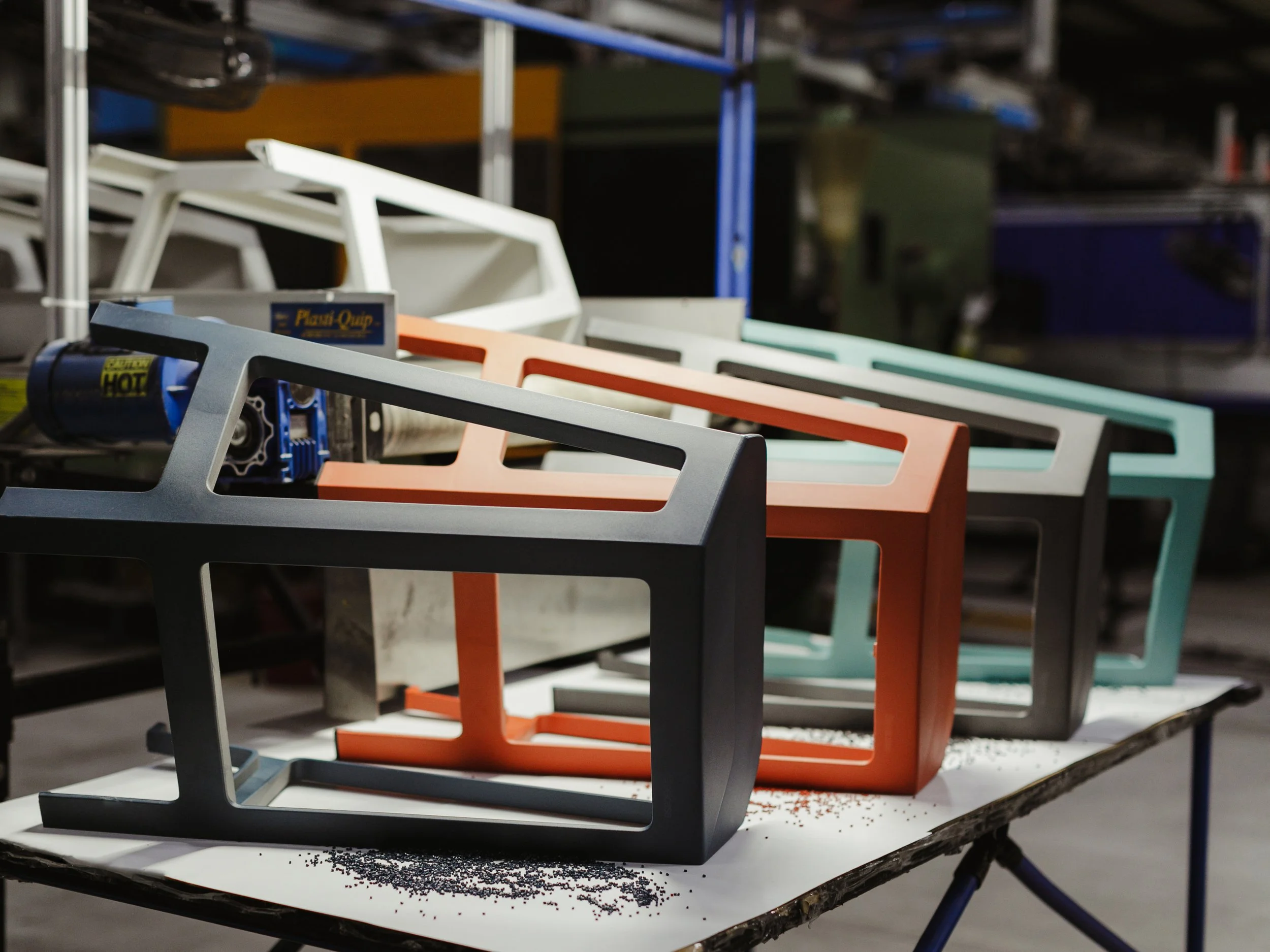
Material selection directly impacts how a project performs over time.
Sustainable materials are often more durable, more consistent, and better tested. That reduces the risk of early replacement, finish inconsistencies, or performance issues after install.
For design teams, that means fewer problems to solve later and stronger project outcomes overall.
Designing for Longevity and Flexibility
Spaces change. The best projects are designed with that in mind.
Sustainable solutions often include reconfigurable systems and long-lasting products that allow a space to evolve without requiring a full redesign.
That flexibility helps extend the life of a project and protects the integrity of the original design.
Healthier Materials, Better Environments
Material choices also affect the people using the space every day.
Products that prioritize low emissions and safer materials contribute to better indoor air quality and overall comfort.
For designers, this means creating environments that don’t just meet aesthetic goals, but support well-being and long-term use.
Why This Matters for Your Projects
Sustainability isn’t just a checkbox. It’s a way to reduce risk, improve performance, and create spaces that hold up over time.
But making those decisions isn’t always straightforward. Between material data, certifications, and product options, it can be difficult to know what actually supports your project goals.
That’s where having the right support matters.
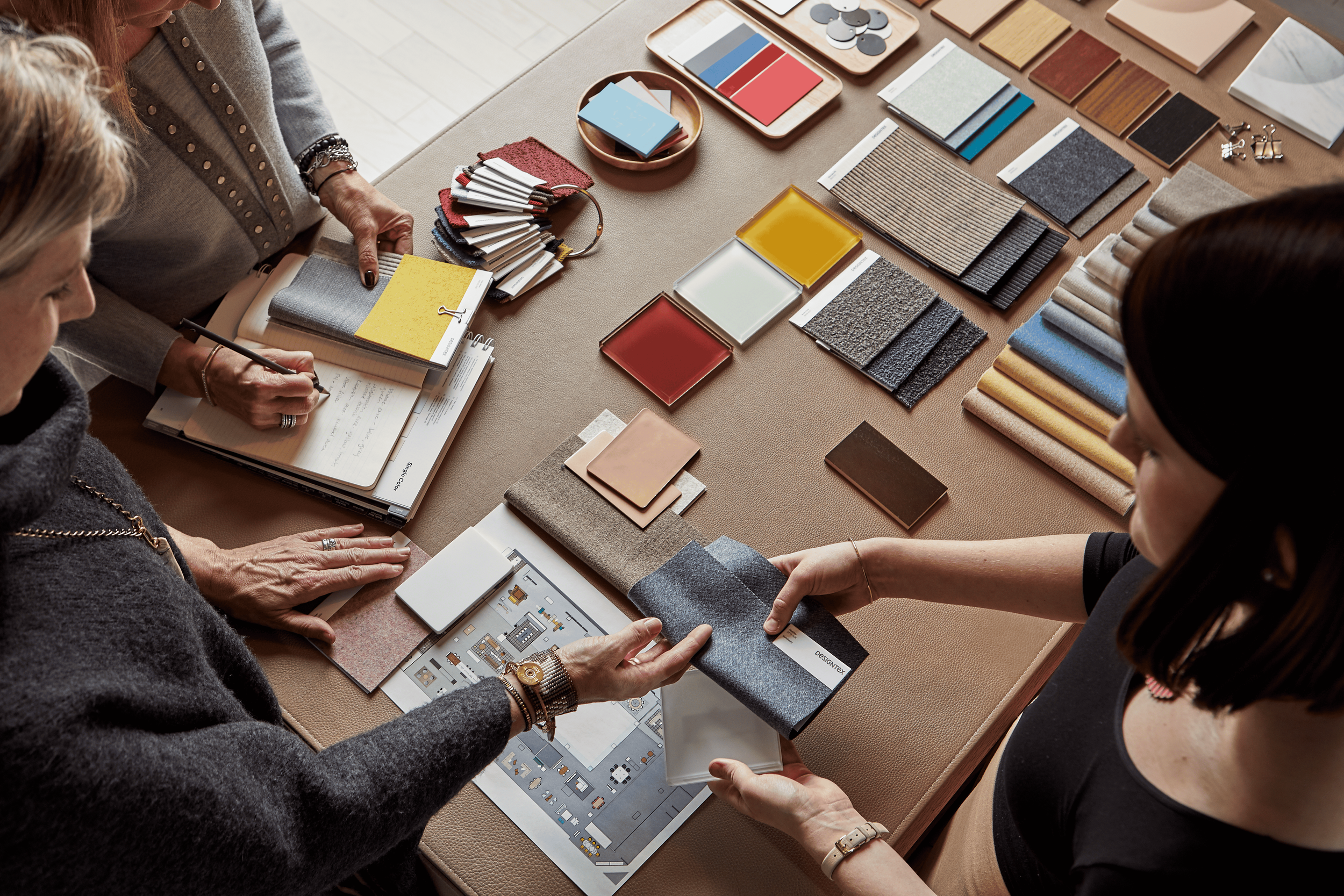
At Workplace Solutions, we work with design teams throughout the process to help:
Navigate material data and sustainability documentation
Align product selections with LEED, WELL, and other project requirements
Evaluate durability and long-term performance
Translate sustainability considerations into clear, defensible specifications
The goal isn’t just to provide products. It’s to make the process easier, clearer, and more reliable so you can focus on delivering a successful project. That’s why many design teams look to Workplace Solutions early in the process, not just at the point of purchase.
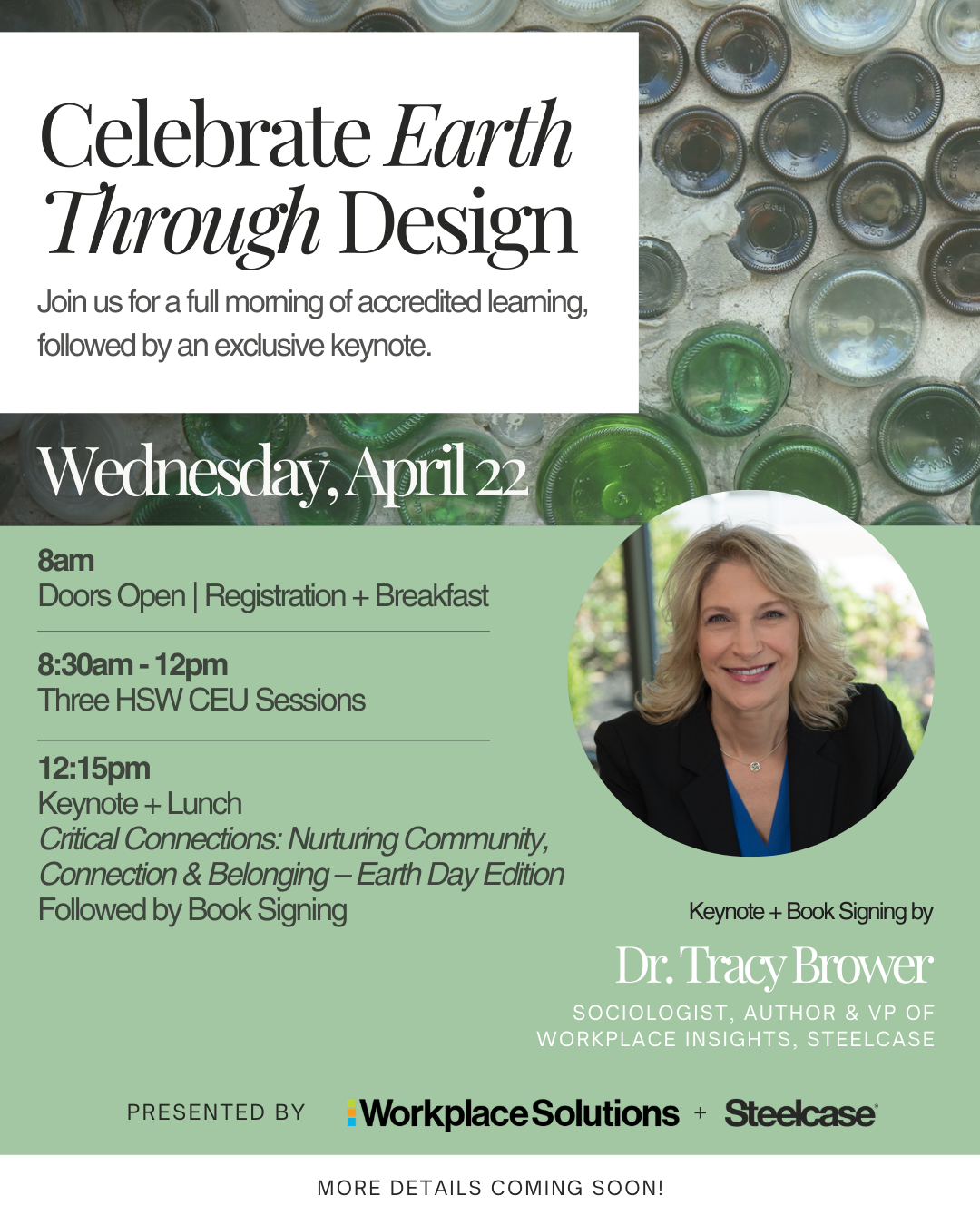
Continue the Conversation: Earn CEUs + Go Deeper
If this is already part of how you approach your projects—or something you’re looking to strengthen—we’re building a full morning around it.
🌎 Hosted by Workplace Solutions + Steelcase
On April 22, we’re hosting a CEU event focused on sustainability, materials, and long-term performance in real-world applications.
Why it’s worth attending:
Earn up to 3 HSW CEU credits in one morning (IDCEC + LSBID accredited)
Hear from industry experts, including Dr. Tracy Brower
Gain insights you can apply directly to your current and future projects
Connect with other designers and industry partners
CEU sessions will be led by:
Steelcase presenters Amy Bass and Derek Crider
Annie Miranda-Sommer with Benjamin Moore
Topics will cover sustainable materials, product lifecycle, and how design decisions impact long-term project outcomes.
Full CEU topics will be announced soon.
Additional Initiative
We’ll also be partnering with Glass Half Full to collect glass for recycling and coastal restoration efforts.
Bring empty glass bottles or jars (no cleaning required). The attendee who brings the most will win a special prize.
Don’t Just Think About It. Apply It.
Sustainable design is becoming a larger part of how projects are evaluated, specified, and delivered.
Staying informed isn’t optional. It’s part of delivering better work.
Reserve your spot, earn your CEUs, and walk away with insights you can actually use.